Spanish Renaissance

SPANISH RENAISSANCE
By: Ruth Ramos
The Spanish Renaissance architecture is a unique blend of European Renaissance, including Moorish and Gothic design styles. This architecture was recognized for its rich ornamentation, structural clarity, and bold forms. Spanish Renaissance architecture took on many forms, from the Mudéjar influence, which combined Moorish geometric patterns and detailed tilework, to the Churrigueresco style. The Plateresco style (silversmith style), consisted of delicate yet elaborate decorations that reflect a silversmith's work through detailed facades and intricate stone carvings. The Desornamentado style (Unornamented Style) was led by Juan de Herrera (in my One Step Further). This style emphasizes simplicity, strength, and scale. The Churrigueresco style moves away from simplicity and into intricate details within structures, highlighting rich textures and ornaments. Spanish Renaissance architecture is perceived for its structural clarity, ornamentation, and its unique elements that add warmth and character to traditional Renaissance styles.
Furniture: Spanish Renaissance furniture was characterized by its craftsmanship and the inlay of work materials such as bone and ivory. The furniture had bold, simplistic designs, mainly using rectangular shapes made from walnut and mahogany. There were chairs, benches, tables, and varguenos (receptacles for documents and valuables that could be used as desks). The style reflected a balance between functionality and artistic expression.
Architecture from this era:
 Grille Work
  La Mota Castle
 El Escorial
 Cordoba Leather
Present Spanish Renaissance Architecture:
 Turning Torso
The Turning Torso is a 190-meter tall residential skyscraper in Malmö, Sweden, designed by Santiago Calatrava. This skyscraper was built in 2005 with a unique twisting shape that resembles a human torso in motion. This is the tallest building in Scandinavia and serves as a symbol of modern architectural innovation in the city.
Residential Homes:
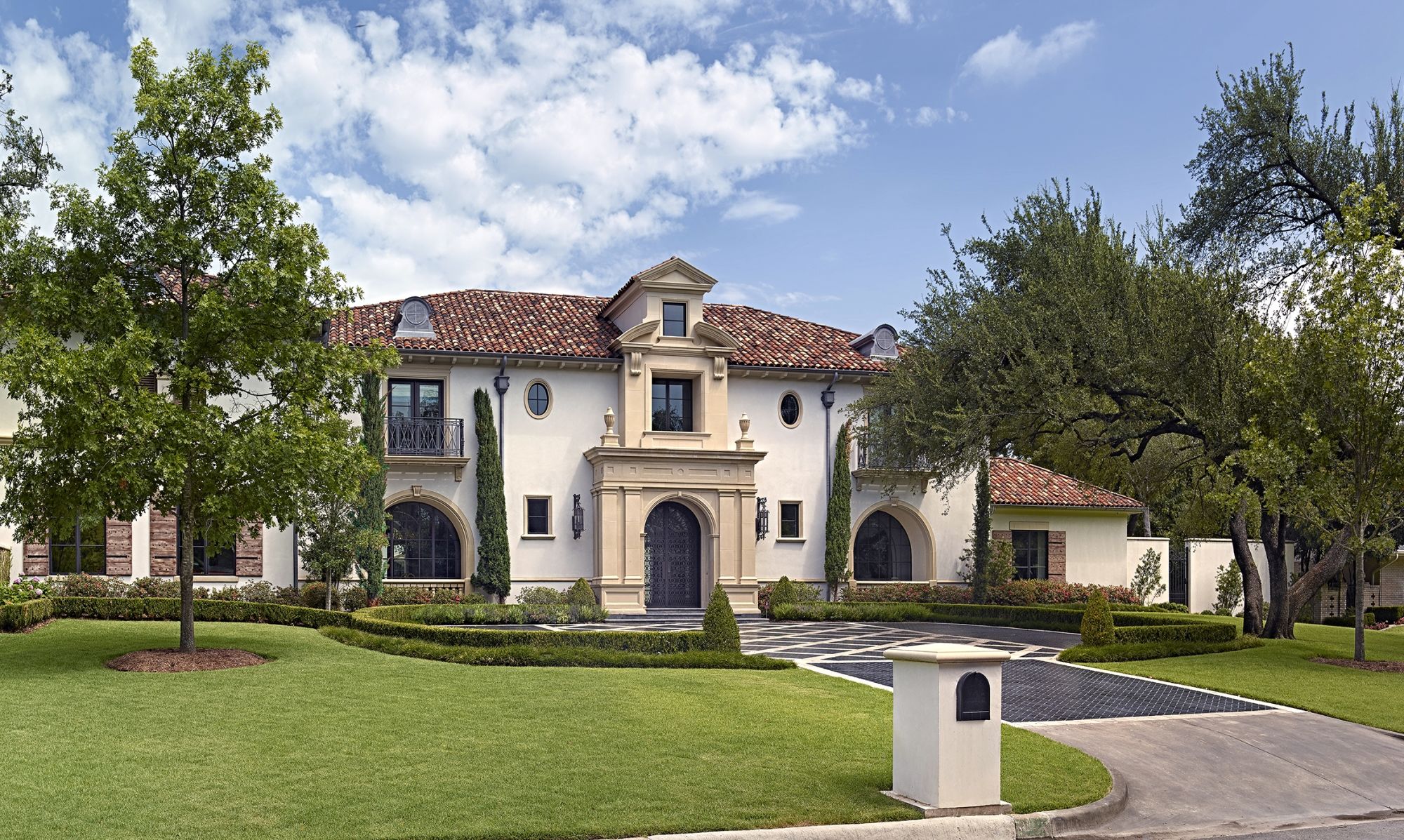
Modern Spanish Renaissance home interiors blend traditional architectural elements, such as ornate wooden beams, tiled floors, and arched doorways, with a more contemporary approach. This combination creates warm, inviting spaces using rich textures, vibrant colors, and handcrafted furnishings, reflecting the style of the Spanish Renaissance while adapting to modern living.


One Step Further:
Juan de Herrera
(1530-1597)


Juan de Herrera was a Spanish architect and mathmatician, praised for defining the "Herrian" style of architecture. The Herrian style was characterized by minimal orientation, clean lines, and a grand sense of scale, all of which are seen in Spanish Renaissance architecture. Herrera is most commonly recognized for his project, the Monastery of El Escorial in Spain. It was originally built for King Philip II as a monastery and royal palace to reflect the union of church and state along with Spain's power. Herrera's style influenced those after him, conveying both restrained and powerful designs.


Ruth,
ReplyDeleteI loved your Blog entry this week. Some of the images did not show up- but you covered a great variety of notable architecture and furniture from this period. Santiago Calatrava's Turning Torso was a wonderful current application. I also though you gave strong examples of current residential interiors that exhibit Spanish characteristics.
Juan de Herrera was a great choice to go into further detail on. 50/50 points